
Artificial intelligence is changing purchasing behavior – are you ready?
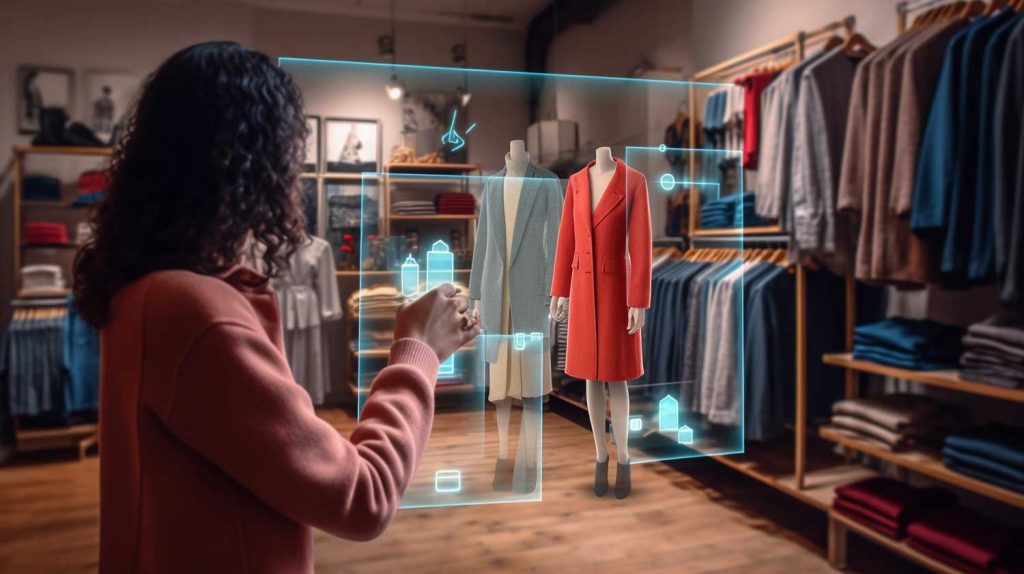
The future of retail is no longer just digital – it’s also smart. Discover how AI intertwines inspiration, personalization, and physical stock, creating a seamless shopping experience.
Today, every customer can be a potential client anytime, anywhere. Therefore, the role of advertisers is becoming more demanding and at the same time more strategic than ever before. Digital retail no longer follows the classic linear path from need to purchase – the modern consumer experience is fragmented, impulsive, and algorithm-driven. Artificial intelligence (AI) is taking center stage, fundamentally changing everything: from inspiration and research to the actual purchase – both online and in physical stores.
Shopping is no longer a moment – it’s a state
It seems that today every user is in a so-called “ambient shopping state”. They compare prices in their browser, stumble upon an interesting product while watching a YouTube video, then check it in a physical store, where they ultimately decide to buy.
This non-linear behavior has become the new rule of the game. And this is where marketers have the greatest opportunity – if they can recognize intent at the right moment and react correctly.
“Retailers and brands must use AI to go beyond merely responding to customer needs – and start proactively shaping their purchasing journey.“
One of the most interesting insights into this topic was presented at Shoptalk 2025, where Sean Scott, Google’s VP and Head of Consumer Shopping, highlighted key trends shaping the future of retail. His central message was clear: “Retailers and brands must use AI to go beyond merely responding to customer needs – and start proactively shaping their purchasing journey.”
How AI is already changing purchasing behavior today
The use of artificial intelligence in retail is not just happening in laboratories. Practical solutions are already here:
- Personalized recommendations: algorithms that understand taste, past purchases, and even seasonal customer patterns.
- Predictive analytics: understanding what a customer will look for next – even before they know it themselves.
- Visual search (e.g., Google Lens): customers photograph a product and immediately get information about stores, prices, stock, or alternatives.
Google has revealed that as many as 1 in 4 visual searches carry purchase intent, and Lens is their fastest-growing search method with 20 billion monthly searches. Retailers who know how to leverage this functionality are already achieving significantly better results today.
Trust in content outweighs advertising
Another important point from Google’s research: customers trust recommendations from YouTube creators more than influencers on other platforms. Specifically: 98% more.
This trust is directly reflected in the results. The example of Sephora, which collaborated with video creators on YouTube Shorts for a holiday campaign, shows the following:
- 82% increase in searches for the key phrase “Sephora holiday”
- significantly higher website traffic
- concrete increase in brand awareness
All of this is a result of a combination of quality content, trusted creators, and smart use of AI to target the right audience.
The key to success: quality data
The biggest mistake we observe among Slovenian online retailers today is neglecting the basics: poorly structured product descriptions, lack of quality photos, outdated stock.
Artificial intelligence is only as effective as the quality of the data it has available.
Artificial intelligence is only as effective as the quality of the data it has available. If retailers want to take advantage of tools like Google Merchant Center, Performance Max, Demand Gen, Shopping, and Lens, they must first invest in up-to-date and accurate product data.
Why does this concern every Slovenian retailer?
It’s no longer a question of whether artificial intelligence will impact retail – but how much your company will be prepared to leverage this advantage.
Companies that are already integrating AI into their strategy are not only increasing sales but also shortening purchasing paths, better understanding their customers’ needs, and achieving higher loyalty. In the coming years, these companies will set the standards – and others will follow.
Summary: What can you do today?
Refresh and optimize your product database – both in your online store and in advertising tools.
Use video content and YouTube as a source of trust and exploration.
Consider using visual search and AI solutions, such as Google Lens, AI Overviews, and Personalized Recommendations.
Test high-intent advertising – with campaigns aimed at the actual completion of a purchase.
Artificial intelligence is not the future – it is the present. And the companies that master it will be the ones leading the game in the coming years.
Sources: