
Social Media and Youth: Impact, Usage, and Findings
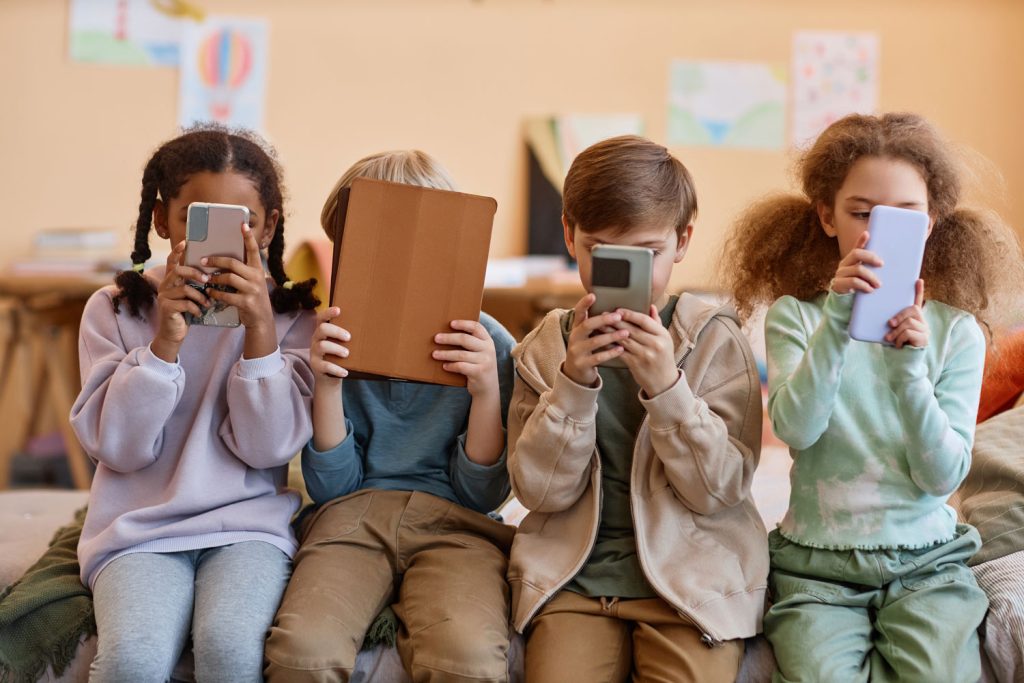
Social media has become an indispensable part of young people’s daily lives. Platforms such as Instagram, TikTok, Snapchat, and YouTube serve not only as entertainment but also as important tools for communication, education, and identity formation. In this article, we will present statistical data on social media usage among young people and their positive and negative effects.
Statistical Data on Social Media Usage Among Young People
According to Eurostat data from 2023, as many as 89% of young people aged 16 to 24 use social media daily. In Slovenia, this percentage is slightly higher at 92%.
- Most popular platforms among young people:
- TikTok (68% of young users)
- Instagram (81% of young users)
- Snapchat (54% of young users)
- YouTube (95% of young users)
The average teenager spends approximately 3 hours and 20 minutes per day on social media. More than half admit they would struggle to get through a day without access to their favorite platform.
Impact of Social Media on Young People
Social media has both positive and negative impacts on young people. Positive impacts include easier communication, access to information, and development of digital skills, while negative impacts include addiction, reduced concentration, and effects on mental health.
Positive Aspects
- Social connectivity: Enables contact with friends and family and facilitates maintaining long-distance relationships.
- Access to information and education: Many young people use YouTube and other platforms to learn new skills such as programming, languages, or art.
- Self-expression: Young people can express their opinions, interests, and talents through social media.
Negative Aspects
- Addiction and reduced concentration: 47% of young people report that social media distracts them from schoolwork.
- Impact on self-image: 62% of young people admitted that social media made them feel dissatisfied with their physical appearance.
- Privacy risks: As many as 39% of young people have encountered inappropriate content or been targets of online harassment at least once.
Findings and Recommendations
Research shows that balanced and responsible use of social media can bring significant benefits to young people, while awareness of potential risks is essential.
How Can Young People Use Social Media Responsibly?
- Setting time limits – it is recommended that usage does not exceed two hours daily.
- Security awareness – young people should be cautious when sharing personal information.
- Content diversity – encouraging educational and creative content instead of purely entertainment-focused content.
- Dialogue with parents and mentors – open communication about experiences and feelings on social media.
Conclusion
Social media is an important part of digital culture for young people, bringing both benefits and challenges. While they enable learning, connection, and creativity, excessive use can cause negative effects on mental health and productivity. The key to successful use of social media is a balanced approach that promotes responsible and conscious use of these platforms.
Sources
- Eurostat (2023). Usage of Social Media among Youth in Europe. Available at: www.eurostat.eu
- Digital 2023 Report – We Are Social & Hootsuite (2023). Global Digital Insights.
- American Psychological Association (2022). The Effects of Social Media on Attention and Learning.
- Pew Research Center (2023). Social Media and Teen Mental Health.
- EU Kids Online (2023). Risks and Opportunities of Social Media for Youth.